Posts

Holistic Approaches to PTSD Treatment 

Image
Post-traumatic stress disorder (PTSD) is a debilitating mental health condition that profoundly impacts individuals who have endured trauma. While traditional treatment methods like counseling and medication remain vital in managing PTSD, there is a growing recognition of the significance of holistic techniques in aiding recovery and promoting overall well-being. In this comprehensive guide, we explore various holistic approaches that can complement conventional treatments, offering individuals a more holistic path to PTSD recovery. Understanding PTSD: Before delving into holistic treatments, it's essential to grasp the nature of PTSD. PTSD is a complex psychiatric disorder that can develop following exposure to traumatic events. Symptoms include hypervigilance, intrusive memories, distressing flashbacks, recurring nightmares, and mood disturbances such as irritability and detachment. Left untreated, PTSD can severely impair daily functioning and diminish quality of life. Hol...
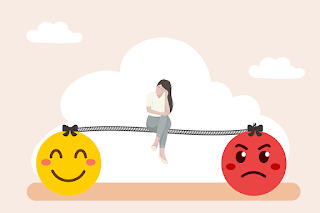

Healing from Emotional Trauma Through Therapy

Image
Emotional abuse, also known as psychological abuse, has the potential to inflict deep emotional trauma, leading to significant and enduring effects on one's well-being. This type of trauma can leave individuals feeling immobilized, overwhelmed by emotions, and uncertain about how to navigate their lives. Whether stemming from childhood experiences or recent incidents, emotional trauma can result in chronic mental health struggles and, in severe cases, post-traumatic stress disorder (PTSD). However, it is entirely possible to embark on a journey of healing from emotional trauma, regardless of its origins. Here's what you need to know as you navigate this path to recovery. Six Strategies for Healing from Emotional Trauma From practicing self-compassion to seeking professional trauma-informed care, here are six strategies to aid in the healing process from emotional trauma. Although it requires commitment and perseverance, know that you are capable of this journey. Acknowled...

Exploring the Connection Between Exercise and Mental Well-being

Image
In recent years, our understanding of the vital role exercise plays in mental health has expanded significantly. Beyond its well-known physical benefits such as weight management and cardiovascular health, regular exercise has garnered attention for its profound effects on psychological well-being. Research has demonstrated that physical activity positively influences mood regulation, stress reduction, and the treatment of mental health conditions like anxiety and depression. Psychological Benefits of Exercise: Regular exercise offers numerous psychological advantages that support overall mental health. One immediate benefit is the release of endorphins, neurotransmitters known for their pain-relieving and mood-enhancing properties. Referred to as "exercise-induced euphoria," this surge in endorphins can swiftly alleviate tension, anxiety, and depressive symptoms while uplifting mood. Moreover, exercise boosts the production of neurotransmitters like dopamine and seroto...

Overcoming Imposter Syndrome in Academic and Professional Settings

Image
Imposter syndrome, a persistent sense of inadequacy and self-doubt despite outward success, is a common challenge faced by individuals in academic and professional environments. Those grappling with this phenomenon often harbor internal doubts about their abilities and fear being exposed as frauds, despite evidence of their achievements. Overcoming imposter syndrome requires a multifaceted approach involving self-awareness, self-compassion, and proactive strategies to address negative self-perceptions and bolster confidence. Understanding Imposter Syndrome: Imposter syndrome manifests in various forms, including perfectionism, self-sabotage, and chronic self-doubt, collectively fostering feelings of inadequacy despite accomplishments. Individuals affected by this syndrome tend to downplay their successes, attributing them to external factors while undervaluing their own capabilities. Seeking external validation becomes a recurring pattern, perpetuating feelings of insecurity and doub...

Cultivating Children's Mental Health Through Mindful Parenting

Image
Parenting unfolds as a journey brimming with love, joy, and occasional hurdles. Amidst this odyssey lies a transformative approach capable of enriching both parents' and children's lives: mindful parenting. It serves as a conduit for nurturing children's mental health, nurturing their emotional well-being, and fostering happiness. This discourse delves into the profound realm of mindful parenting, illuminating the joy it bestows upon families. The Essence of Mindful Parenting Embedded in the tenets of mindfulness, mindful parenting entails complete presence, non-judgment, and compassion towards a child's thoughts and emotions. It entails crafting an environment conducive to emotional growth, resilience, and profound joy. The Delightful Dimensions of Mindful Parenting What renders mindful parenting such a joyful and metamorphic approach to child-rearing? Several elements contribute: Presence: Mindful parents immerse themselves fully in their children's co...

Creating Healthy Habits for Long-Term Mental Wellness

Image
As the New Year commences, it's commonplace to hear individuals discussing their aspirations for the upcoming months. Many of these aspirations revolve around self-improvement, whether it entails further education, getting in shape, or simply prioritizing health and well-being more consciously. Although people typically start the year with the best intentions, New Year’s resolutions don't always materialize as expected. A recent study revealed that after one year, only 55% of individuals who set New Year’s resolutions deemed themselves successful. This indicates that efforts to break negative habits succeed only about half of the time. So, how can one effectively develop habits to enhance mental health? Below are some research-supported strategies. Understanding Habits Before delving into strategies for cultivating new habits, it's beneficial to grasp the concept of what a habit entails. Psychologically, a habit refers to a learned automatic response. Once a respons...

Breaking the Taboo: Discussing Depression

Image
Depression has long been veiled in stigma and secrecy, despite being a prevalent mental health issue affecting millions globally. However, as our comprehension of mental health progresses, so does the acknowledgment of the vital role that honest dialogue and support networks play in overcoming depression. This essay explores the crucial importance of eradicating the stigma surrounding depression and the substantial impact of open communication on mental well-being. Understanding Depression: Depression transcends mere sadness; it delves into the intricate complexities of mental health, manifesting as a profound emotional struggle characterized by persistent feelings of hopelessness and disconnection from once-enjoyed activities. This insidious condition knows no bounds of age, gender, or social status, affecting individuals from all walks of life and often necessitating the expertise of mental health professionals for effective management and recovery. The Impact of Stigma: The ...

How Social Media Impacts Mental Health: Exploring the Effects of Frequent Use

Image
Introduction: In today's digital age, social media has become an integral part of our daily lives. We use platforms like Facebook, Instagram, Twitter, and Snapchat to connect with others, share experiences, and stay informed. However, the impact of social media on mental health has become a topic of concern. This article delves into the intricate relationship between social media usage and mental well-being, shedding light on the effects of frequent engagement with these platforms. Understanding the Link between Social Media and Mental Health: Social media platforms have revolutionized communication, providing avenues for self-expression, social connection, and information sharing. However, the constant exposure to curated posts, idealized images, and the pressure to maintain an online persona can have https://apnapsychologist.com/ Mental Health Disorders and Social Media: a. Addiction and Impulsivity: The design of social media platforms, with their infinite scrolling a...

The Silent Struggle: Breaking the Silence on Depression

Image
Hey there, friend. Today, let's delve into the depths of a topic that touches many lives: depression. It's more than just feeling blue; it's like being lost in a dense fog, where even the simplest tasks feel overwhelming, and the world loses its color. So, what exactly is depression, and how does it impact those who grapple with it? Defining Depression The Heavy Clouds: Depression isn't just a passing bout of sadness; it's a persistent cloud that hangs over every aspect of life. It's feeling like you're walking through molasses, with each step feeling heavier than the last. The Silent Struggle: One of the trickiest things about depression is that it's often invisible to those around you. You might look fine on the outside, but inside, it's like a storm is raging—a storm that no one else can see. Peeling Back the Layers The Physical Toll: Depression doesn't just affect your mood; it can take a toll on your body too. ...

The Impact Of Telemedicine On Healthcare Accessibility

Image
In an era characterized by rapid technological advancements, telemedicine emerges as a transformative force reshaping the landscape of healthcare accessibility. The convergence of telecommunications and medical care offers unprecedented opportunities to bridge geographical barriers, improve patient outcomes, and enhance the overall efficiency of healthcare delivery systems. As telemedicine continues to gain traction, its impact on healthcare accessibility becomes increasingly profound, revolutionizing the way individuals access and receive medical services. Understanding The Terrain: The Landscape Of Grief And Loss Telemedicine, at its core, involves the remote diagnosis, consultation, treatment, and monitoring of patients through telecommunications technology. Leveraging video conferencing, mobile apps, remote monitoring devices, and other digital platforms, healthcare providers can interact with patients in real-time, regardless of their physical location. This capability is particu...

Exploring The Distinctive Mental Health Challenges Faced Across Different Generations

Image
Introduction The subject of mental health is a matter that goes beyond the boundaries of age, gender, and background. Yet, the intricacies of maintaining optimal mental well-being differ markedly across various generations. Each age group grapples with a unique blend of life stages, societal pressures, and technological advancements that uniquely influence their mental equilibrium. From the youngest members of society to the elderly, comprehending these generational differences is a pivotal step in offering precise support and fostering a holistic approach to mental wellness. Children And Adolescents The youngest generation, raised amidst the digital revolution, confronts an array of challenges that were hitherto unseen by their predecessors. The pressure to conform to the latest online trends, the adverse effects of cyberbullying, and the unrelenting exposure to unrealistic beauty ideals on social media platforms are just a few of the factors contributing to mental health concerns ...

Navigating The Waves Of Connection: Unveiling The World Of Online Relationship Counseling

Image
Hey there, fellow voyagers in the realm of human connection! Today, let’s set sail into the vast seas of online relationship counseling—a digital compass guiding couples through the ebb and flow of their shared journey. Join me as we delve into what online relationship counseling is, the myriad benefits it brings, and how Apna Psychologists harness the power of virtual therapy to nurture and strengthen relationships Setting The Digital Stage: The Essence Of Online Relationship Counseling The Evolution of Connection: Online relationship counseling is the next chapter in the evolving saga of human connection. It’s like upgrading from traditional mail to instant messaging—an efficient and immediate way to engage with a relationship expert, fostering growth and understanding. Defining the Virtual Therapist: Meet the virtual therapist—a skilled navigator in the sea of relationships. Picture them as the lighthouse guiding ships through stormy waters, providing a stable and knowledgeable ...

Navigating The Waves Of Anxiety

Image
Anxiety is a common mental health condition that can cause a variety of physical and emotional symptoms. It can be difficult to manage, but there are a number of things you can do to cope with anxiety and improve your well-being. What Is Anxiety? Anxiety is a feeling of worry, nervousness, or unease. It can be mild or severe, and it can be triggered by a specific event or situation, or it can occur for no apparent reason. Symptoms Of Anxiety The symptoms of anxiety can vary from person to person, but some common symptoms include: Feeling restless or having trouble sitting still Having a racing heart or feeling lightheaded Sweating or having chills Having difficulty breathing or feeling like you can’t catch your breath Having a lump in your throat or feeling nauseous Dizziness or feeling faint Muscle tension or aches and pains Trouble concentrating or thinking clearly Having trouble sleeping Feeling irritable or having mood swings Causes Of Anxiety The exact cause of anxiety is no...

Unveiling the Digital Frontier: Exploring Online Couples Therapy

Image
A journey into online couples therapy, where the virtual space becomes a canvas for unraveling the intricacies of relationships. Buckle up as we explore what online couples therapy is, its components, and types, and how Apna Psychologists pave the way for couples to navigate relationship challenges in this virtual landscape. Decoding Online Couples Therapy: A Virtual Embrace The Dynamics of Connection: Online couples therapy is like a digital embrace for couples seeking support. It's a space where connection transcends physical boundaries, allowing partners to engage in therapy from the comfort of their shared space. Components of Online Couples Therapy: Picture online couples therapy as a toolkit filled with communication strategies, conflict resolution techniques, and personalized interventions. It's about equipping couples with the tools they need to navigate the twists and turns of their relationship journey. The Virtual Therapist: Enter the virtual therapist—an experi...

Depression Demystified: Unraveling the Layers of a Silent Struggle

Image
Introduction: In the quiet corners of the mind, where shadows linger and emotions dance, there exists a silent struggle that touches the lives of millions—depression. Despite its pervasive presence, depression often wears an elusive cloak, hiding in plain sight. This article aims to demystify the layers of this silent struggle, shedding light on the complexities of depression and fostering a deeper understanding of its impact on individuals and society. Defining Depression: Depression transcends fleeting moments of sadness; it is a persistent and pervasive mental health disorder that affects how individuals think, feel, and handle daily activities. The layers of depression are multifaceted, encompassing a range of emotional, cognitive, and physical dimensions. Understanding the nuances of this silent struggle is essential for dismantling the stigma surrounding mental health and fostering empathy and support. The Emotional Landscape: At the heart of depression lies an emotional landsca...

Unraveling the Threads: What are Mental Health Issues?

Image
Defining the Unseen Struggles: Mental health issues are the unseen struggles that many of us face. It's like a multifaceted puzzle where emotions, thoughts, and behaviors intertwine. From the highs of joy to the lows of despair, it's a spectrum of experiences that make us human. Components of Mental Health Issues: These issues have various components. Picture them as layers—emotional, cognitive, and behavioral layers that influence how we navigate the world. Sometimes, these layers align harmoniously, and other times, they create discord. Types of Mental Health Issues: The world of mental health is diverse, with different types of issues. From anxiety and depression to more complex conditions like bipolar disorder and schizophrenia, each type adds a unique hue to the canvas of our mental well-being. The Rollercoaster of Emotions: A Personal Odyssey The Emotional Landscape: Imagine your emotions as a vast landscape. Mental health issues often influence this terrain, creating pe...

The Link Between Depression and Chronic Illnesses: Unraveling the Complex Connection

Introduction: In the intricate tapestry of human health, the connection between mental and physical well-being is a dynamic and often underestimated interplay. One of the compelling intersections within this complex relationship is the link between depression and chronic illnesses. While it's known that mental and physical health are intertwined, the bidirectional relationship between depression and chronic conditions is a topic that warrants closer examination. This article explores the multifaceted connection between depression and chronic illnesses, shedding light on how one can exacerbate the other, and the implications for holistic healthcare. Understanding Depression: Depression, a pervasive mental health disorder, extends far beyond occasional feelings of sadness. It manifests as a persistent and overwhelming sense of despair, lethargy, and a loss of interest in once-enjoyable activities. Depression affects millions worldwide, impacting not only the mind but also the body,...

Unveiling the Mystery: Understanding Dissociative Disorders

Image
Before we dive into the supportive haven provided by Apna Psychologist, let's unravel the layers of what Dissociative Disorders truly entail. The Enigma of Dissociative Disorders: A Deep Dive Deciphering Dissociation: Dissociative Disorders involve a unique and perplexing aspect of mental health—dissociation. Picture it as a temporary disconnection between thoughts, identity, consciousness, and memory. It's like a mental dance where the threads that hold our experiences together momentarily fray. Components of Dissociation: Dissociation has various components. From mild daydreaming to severe episodes where individuals may feel detached from reality or their own identity, it's a spectrum. Imagine it as a sliding scale where the mind seeks refuge from overwhelming emotions. Types of Dissociative Disorders: Dissociative Disorders come in different forms. Dissociative Identity Disorder (DID), formerly known as Multiple Personality Disorder, is one of them. Other type...